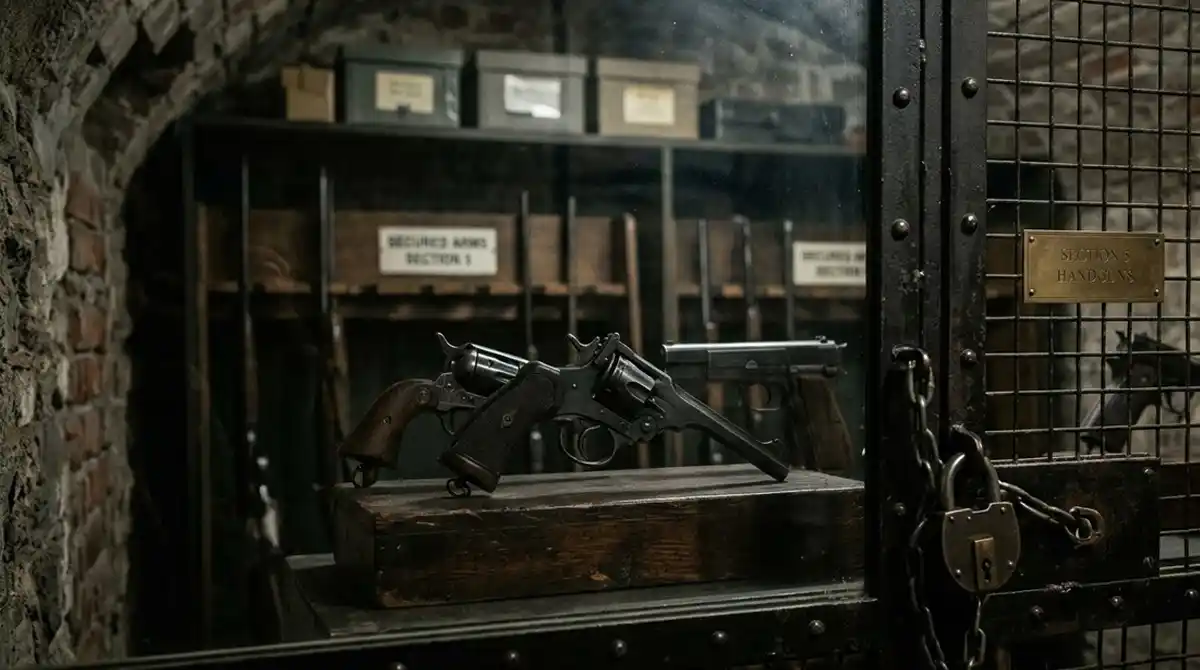
In the world of British shooting, Section 5 is the ultimate legal “no-go zone.” It is the category of the Firearms Act 1968 that houses weapons deemed so dangerous to public safety that their private possession is prohibited by default.
While most enthusiasts are familiar with the 1997 ban on handguns, the scope of Section 5 extends far beyond pistols, encompassing everything from automatic rifles to disguised stun guns and even certain types of ammunition.
As we navigate 2026, the definition of what constitutes a “prohibited weapon” continues to evolve, with new amnesties for blank-firing replicas and tightening controls on high-energy air weapons. The article serves as your central resource for understanding the Section 5 classification, how it dismantled the British handgun culture, and what remains legal for the modern sportsman.
What is Section 5? Understanding the “prohibited” label
The Section 5 designation is a “presumptive prohibition.” Unlike Section 1 (rifles) or Section 2 (shotguns), where you have a right to apply for a certificate if you have a “good reason,” Section 5 begins with the assumption that you cannot own the item. Possession without a specific authority from the Secretary of State (Home Office) is a criminal offense, often carrying a mandatory minimum 5-year prison sentence.
The primary categories of prohibited weapons:
- Full-auto & burst fire: Any weapon that fires more than one shot per trigger pull.
- Short-barrelled firearms: Any firearm with a barrel under 30cm or an overall length under 60cm (The “Handgun Ban” rule).
- Semi-auto centerfire rifles: Banned following the 1988 Hungerford tragedy.
- Disguised firearms: Anything made to look like a non-firearm object (e.g., pen guns, cane guns, or phone-shaped stun guns).
- Noxious substances: Devices designed to discharge gas or liquid (e.g., CS spray or TASERs).
History, mechanics, and modern alternatives of the ban
To fully navigate the 2026 legal landscape without falling foul of the law, you must understand the events, technical workarounds, and licensing tiers that define British shooting today. Explore our detailed spoke articles below to master the “how” and “why” of UK firearms:
1. The 1997 Legacy: British Handgun History
The 1997 ban wasn’t just a change in law; it was the abrupt end of a century of British handgun competition. From the tragedy at Dunblane to the national surrender of 162,000 pistols, this article covers the emotional and political history that moved handguns into the “Prohibited” category.
[Read the full 1997 History Article here →]
2. Straight-Pull vs. Semi-Auto: The Rapid Fire Divide
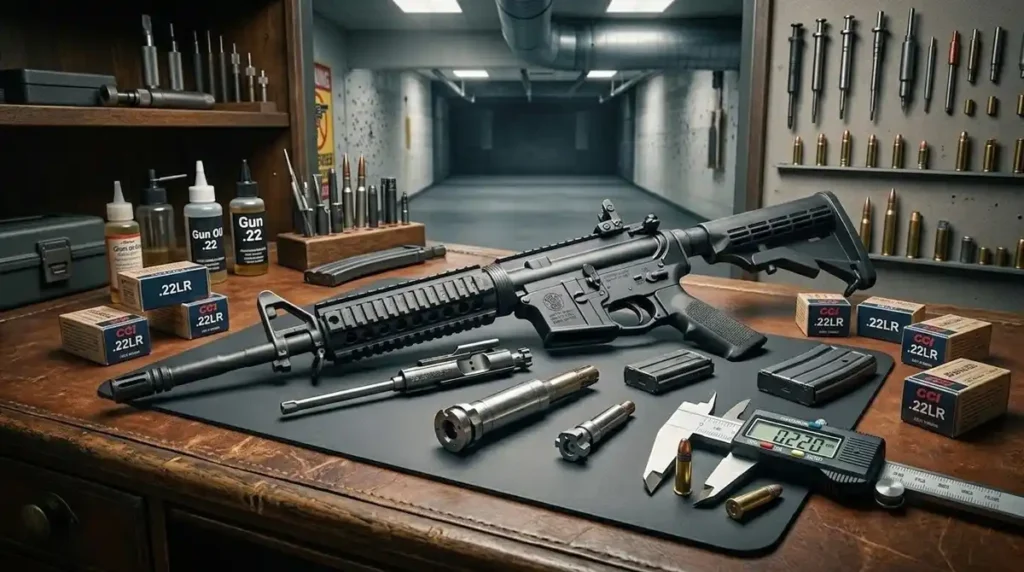
Why can you have a semi-auto .22LR but not a semi-auto 9mm? This article explains the technical thresholds of the 1988 Act and the 2026 standards for “manual cycling.” Discover why the UK is limited to rimfire for self-loading actions and how “straight-pull” rifles bridge the gap for larger calibers.
[Read the Technical Action Guide here →]
3. UK Firearms Act Sections Explained: 1, 2, and 5
The law isn’t just one blanket rule; it is a ladder of permissions. This guide breaks down the critical differences between Section 1 (Rifles), Section 2 (Shotguns), and the forbidden Section 5 (Prohibited Weapons). Understanding these sections is the first step in deciding which shooting discipline is right for you.
[Read the Guide to Firearms Sections here →]

4. Owning a Shotgun: Why Section 2 is Easier Than Rifles
For many beginners, the “Section 2” Shotgun Certificate (SGC) is the fastest way to get behind a real trigger. Unlike Section 1 rifles, you don’t need a “Good Reason” for every individual gun. This article explains the lower barrier to entry for clay and game shooting compared to the strict requirements of target rifles.
[Read the Section 1 vs. Section 2 Comparison here →]
Section 1 vs. Section 5 thresholds (2026)
| Feature | Section 1 (Legal with FAC) | Section 5 (Prohibited) |
|---|---|---|
| Overall Length | 60cm or greater | Under 60cm |
| Barrel Length | 30cm or greater | Under 30cm |
| Rifle Action | Bolt, Straight-Pull, .22LR Semi-Auto | Centerfire Semi-Auto / Pump-action |
| Shotgun Capacity | 3+ rounds (requires FAC) | Self-loading with <24″ barrel |
Authority and licensing in 2026
Possessing a Section 5 authority is rare for private individuals. It is typically reserved for museums, film production companies, and high-security maritime protection firms. As of the 2026 “Full Cost Recovery” update, the administrative burden for these licenses has increased significantly.
Good to Know: The 2026 Home Office fees for a Section 5 authority renewal now require an application at least 4 months in advance. This allows for the “GP-to-Police” digital health check to be completed alongside a physical security audit of the premises.
For ranges and clubs looking to navigate these high-level compliance requirements, our expert partner Solution Prime provides specialized consultancy, ensuring that your facility meets the latest HSE and Home Office standards for prohibited weapon storage and extraction.
Frequently Asked Questions: Section 5
Q: Can a regular shooter ever use a Section 5 firearm?
A: Generally, no. However, Section 7 of the 1997 Act allows for Heritage Pistols to be held at designated sites (like Bisley) if they are of exceptional aesthetic, historical, or technical interest, though they cannot be fired unless they fall under the specific Section 7(3) exemption.
Q: What happens if I find a Section 5 weapon (e.g., an old war trophy) in a loft?
A: You should contact your local Firearms Licensing Department immediately. They usually arrange for a safe surrender. Possession even if you just found it is a strict liability offense under Section 5.
Q: Are Section 5 air weapons a real thing?
A: Yes. Any air weapon that uses a Self-Contained Gas Cartridge system (like the old Brocock pistols) was moved to Section 5 years ago because they were too easily converted to fire live ammunition.
Q: Why is the keyword Section 5 so important for collectors?
A: It defines the boundary between a hobby and a criminal record. Understanding where a deactivated gun ends and a Section 5 prohibited weapon begins is the most important piece of knowledge for any collector.
Navigating the Section 5 Landscape
While Section 5 represents the most restrictive tier of British law, it also defines the unique technical innovations of the UK shooting scene. From the development of Long-Barrelled Pistols to the rise of the straight-pull rifle, the British handgun ban of 1997 forced a evolution in design that continues into 2026. Understanding these prohibitions is not just about staying compliant; it is about appreciating the discipline and safety-first culture that keeps the sport alive in the UK.
Whether you are researching the 1997 legacy or looking to invest in a high-speed .22LR for gallery rifle competitions, the shadow of Section 5 is always present. For professional advice on range compliance, marketing within these legal boundaries, or understanding the 2026 fee shifts, consult with our expert partner Solution Prime—the leaders in UK firearms consultancy and marketing excellence.